This site may be going away; please consider the Donate link above... or LiberaPay:

A huge thank you to all who donate; 2026 Q3 Web hosting $52.02 / $300.
This site may be going away; please consider the Donate link above... or LiberaPay:
A huge thank you to all who donate; 2026 Q3 Web hosting $52.02 / $300.
![[Picture: 206b1: Carriage Pulled By Death.]](https://www.fromoldbooks.org/CallotJacques-Etchings/pages/206b1-entrance-carriage-pulled-by-death/../../tn/206b1-entrance-carriage-pulled-by-death-q95-500x313.jpg "[Picture: 206b1: Carriage Pulled By Death.]")


Buy print-size file for commercial or other use
| 500x313 | 58K | jpg free download |
| 120x75 | 4K | jpg free download |
| 319x200 | 24K | jpg free download |
| 960x600 | 178K | jpg free download |
| 1280x800 | 283K | jpg free download |
| 1440x900 | 336K | jpg free download |
| 1680x1050 | 424K | jpg free download |
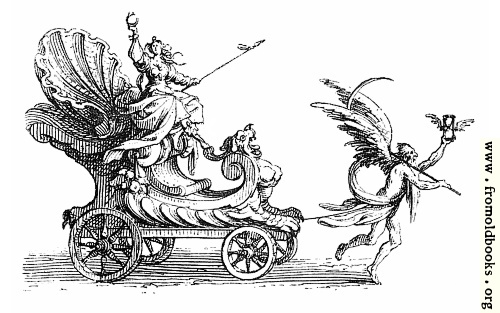
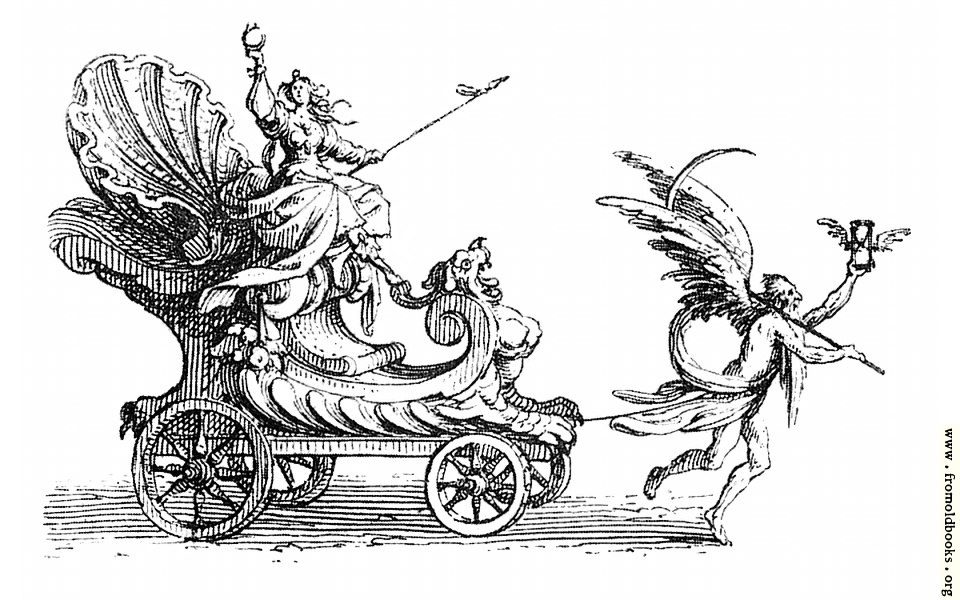
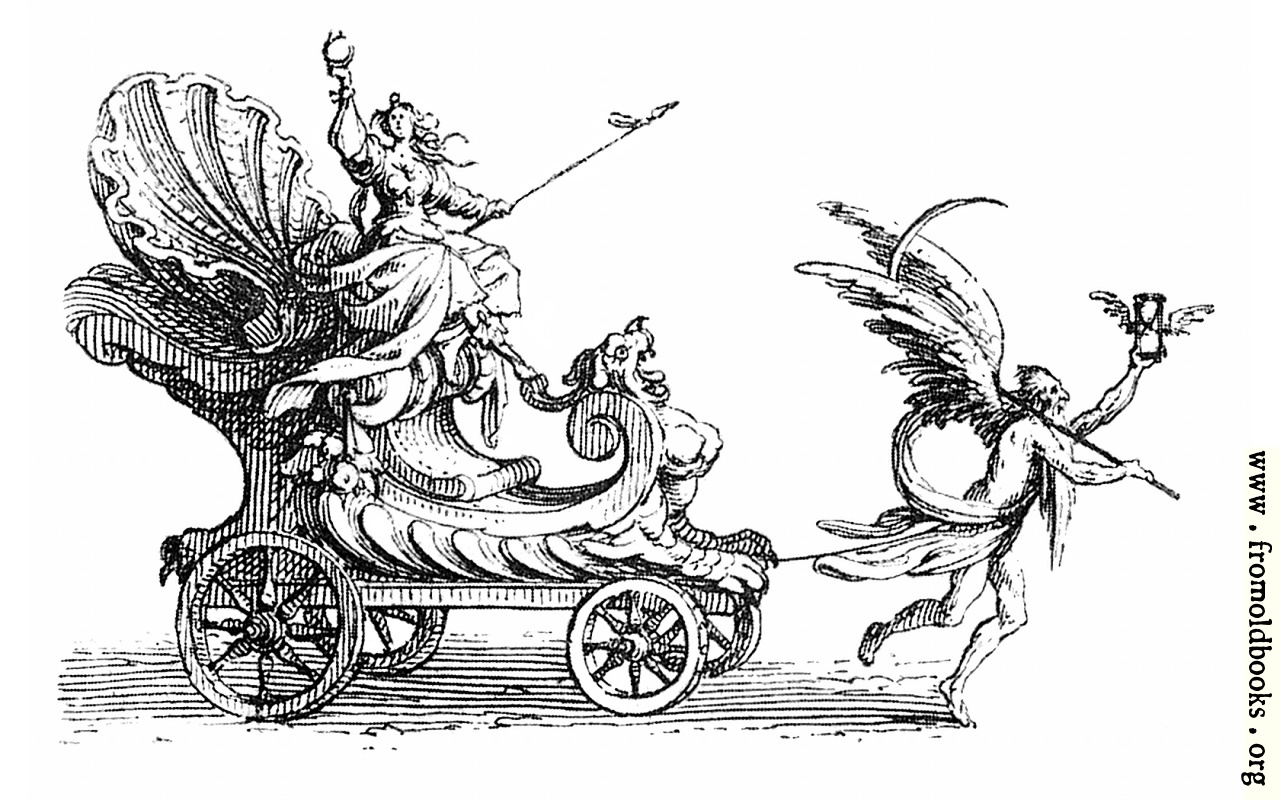
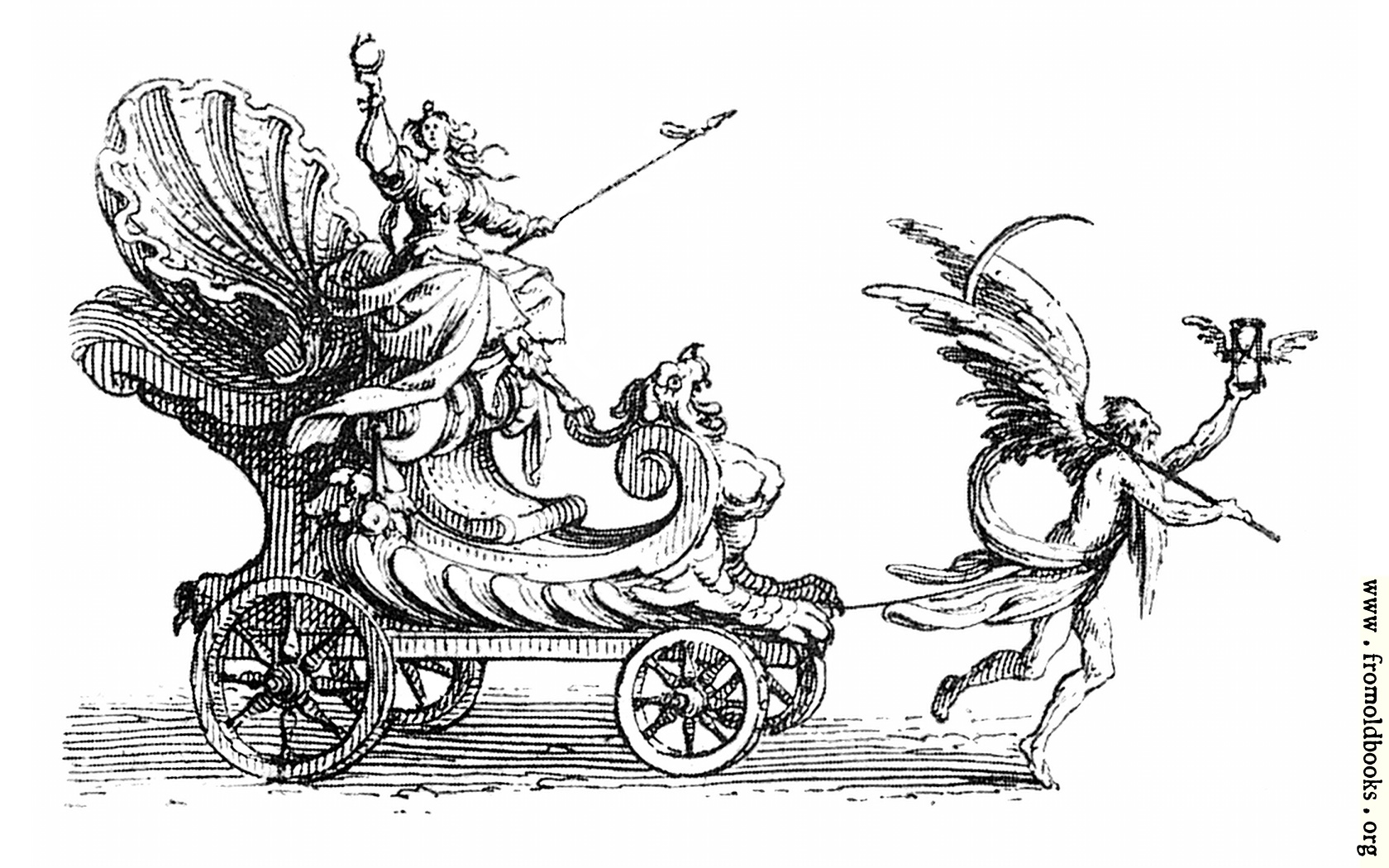
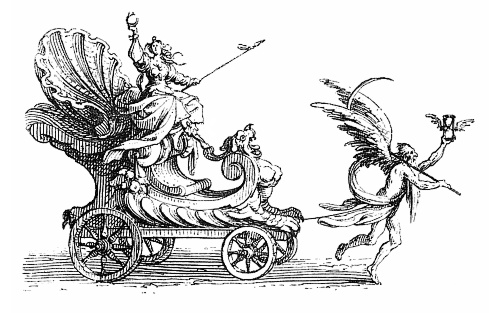
206b1: Carriage Pulled By Death. more
mythical creatures, death, nudity, bare feet, transport, people, carriages, wings, wallpaper, backgrounds
This is a detail from plate 206, “Entrance of Henry of Lorraine, marquess of Moy, under the name of Pirandre” from the series The Combat at the Barrier, 1627.
Here in a carriage whose seat is a scallop-shell is a barefoot woman with a spear, holding aloft an orb. Her carriage is pulled by Time (or Death?), represented as a naked man, winged, carrying an hour-glass and a scythe.
Comments:




Added by Joseph Byrne on Sun Apr 8 16:13:27 2012
In your description you say the figure pulling the chariot is Death. It’s not. The figure represents Time. Time traditionally carries a sickle in iconography, as does Death. But the hour-glass clearly indicates that the figure is Time.
Added by Liam Quin on Sun Apr 8 23:16:00 2012
The scythe and hourglass are of course also symbols of death, but I have somewhat tentatively updated the description—thank you!